
Overcoming negative attitudes in French class has always been a French teacher’s hardest battle. After all, we’ve heard it all:
- “French is too hard!”
- “When will I ever use this?”
- “I’m just not good at languages.”
- “I just need this credit and then I will be done with French forever.”
These comments can be discouraging, but they’re also an opportunity for you as a teacher. Attitudes toward learning French don’t have to stay negative – often, students simply need meaningful experiences that shift their perspective.
The good news? With the right strategies (and temperament), you can help students see French not as a dreaded subject, but as a subject that they enjoy, value, and take pride in.
1. Tap Into Your Students’ Interests to Transform These Negative Attitudes in French Class
If students only associate French with verb charts and memorization, it’s easy for them to check out. Tap into what they already love (ex., Sports, travel, music, food) and incorporate those themes into your lessons. Some of my students have really enjoyed:
- Biographies of famous French soccer players in preparation for FIFA
- Exploring current French songs from francophone artists
- Manie musicale competition during the month of March
- Connecting French vocabulary to sports or popular hobbies
- Introducing authentic recipes and foods that bring French culture alive

And it doesn’t need to just be through your lessons! Get to know your students, ask them about their likes and hobbies, and follow up on them throughout your week. When French feels personal, students are more motivated to engage.
2. Focus on Student Success Early and Often
Nothing kills enthusiasm faster than repeated failure. It is key to build confidence by setting students up for small wins in the first weeks of the course.

One of the ways that you can do this is by using scaffolded speaking activities where everyone can participate. When asking a question du jour, I always give sentence starters for all my students on the board so that they can visually see how they can start the sentence, and then answer the question. If I have students who need more of a challenge, I will ask them a follow-up question to allow them to practice their spontaneous speaking skills.
I also have students complete exit tickets throughout my lessons so that I can understand which students are understanding the concepts that I’m teaching and which students need more help and practice to consolidate their knowledge. This is a great tool to help students prepare for their assessments and will set them up for success.
Lastly, celebrate your students’ improvements. Maybe you have a student who used the conditionnel perfectly, or maybe you had a student use a new vocabulary term in your lesson that you introduced at the beginning of the week. Celebrate these smallest improvements so that your students feel that they are progressing in their language skills. Positive affirmation matters, and their heightened confidence will lead to curiosity about what they are learning; thus, cultivating a positive attitude.
3. Make it Communicative and Real
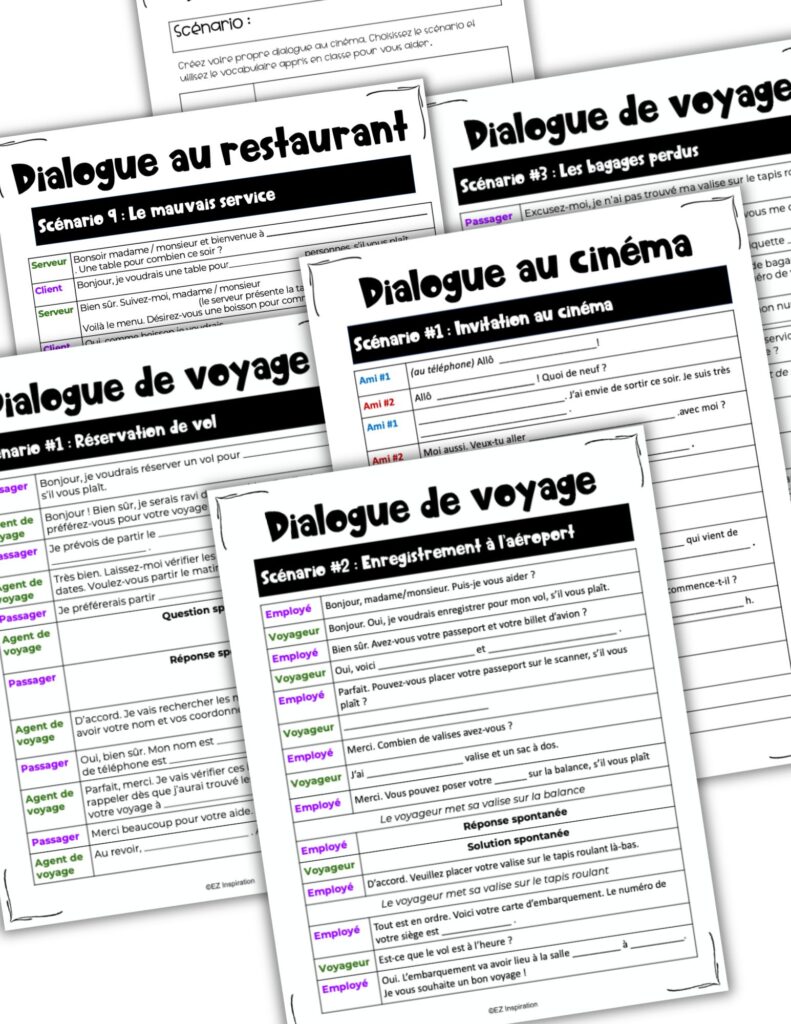
Let’s face it, students don’t want to learn how to write perfectly in French; they want to be able to converse in French. Give them authentic opportunities so that they can use their French in meaningful ways. Here are a couple of ideas that students have enjoyed in my classes:
- Act out certain dialogues with their peers
- Little conversations (ex. Hot Takes, where they can share their personal opinions)
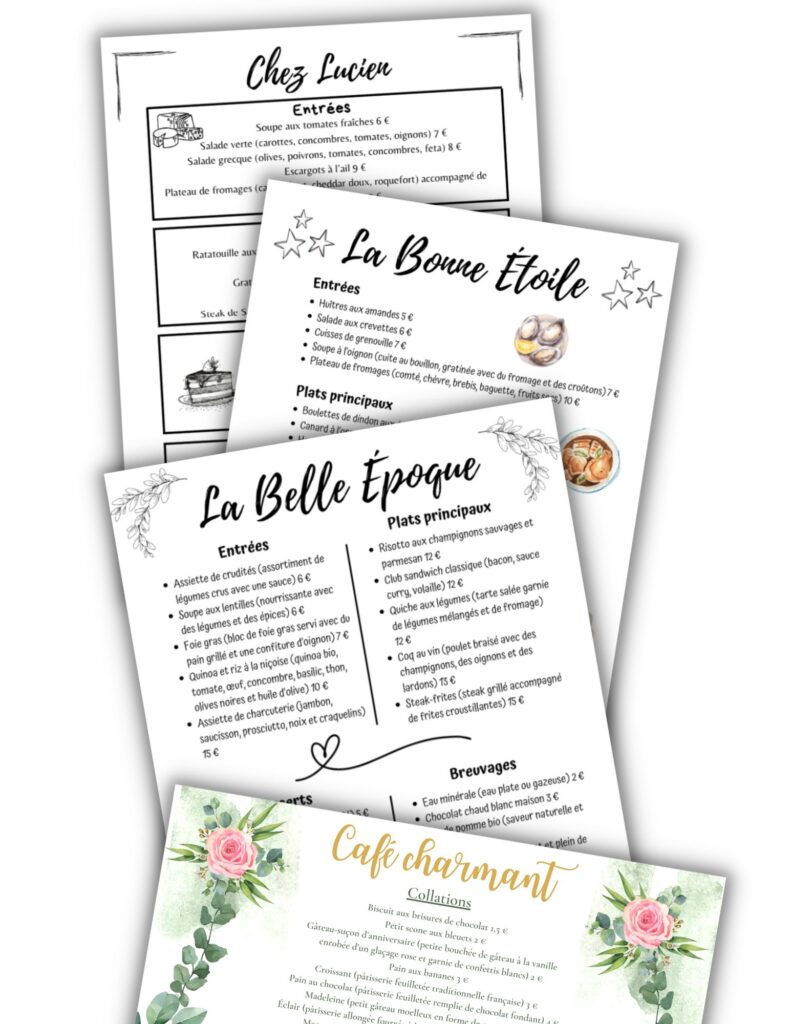
- Have students reflect on authentic French materials (ex. Menu, ad, metro map, infographic, etc.)
- Pen-pal exchange where students are connected with a francophone pen pal from a French-speaking region
When language feels functional and real, students will stop asking, “When will I ever use this?” They then start to see the benefits of French and will look forward to putting the concepts they are learning into context.
4. Incorporate Joy and Playfulness
Playful activities help students associate French with fun rather than stress. I would strongly encourage you to gamify your classroom and incorporate games where students can win small prizes, such as a small piece of candy. My students are super competitive and are engaged to earn a reward, and this has been the easiest way to get students motivated to learn.
Some activities that I would recommend:
- Games like Ceci ou Cela
- French-themed scavenger hunts
- Low-stakes competitions like French Family Feud or Scattergories
- Seasonal activities
- French Wordle
- French Escape Rooms
- Jepoardy
- Trivia
- Improv
Fun is an essential ingredient in long-term motivation and will allow your students to “lock in”. Bonus if your games can add a competitive flair! Those negative attitudes in French class will quickly become laughter, curiosity, and genuine engagement as students start to associate learning with enjoyment.
5. Connect to Culture, Not Just Grammar
While grammar is important, cultural connections are the key that truly hooks students to the language. Motivation skyrockets when learners can see the language as something living and vibrant rather than a set of rules.

Bring culture to life by weaving it into your lessons:
- Celebrate Quebec’s Winter Carnival with virtual tours, videos of ice sculptures, and discussions about winter activities unique to French-speaking Canada
- Explore Mardi gras celebrations across the francophone world (from New Orleans to Nice to Port-au-Prince). You can have students compare food, costumes, and customs!
- Highlight Francophonie Month by introducing your students to French-speaking countries across Africa, Europe, and the Caribbean
- Take your class on a digital journey to discover iconic landmarks, from Mont-Saint-Michel to the Baobab forests of Madagascar
Share francophone legends, songs, and traditions that spark curiosity!
Culture will humanize the French language and make it something to experience rather than simply analyze. When students can taste, hear, see, and celebrate French, the language becomes part of their world and moves beyond the textbook.
6. Give Students a Voice in Their Learning
Ownership changes negative attitudes in French class. When students feel that their ideas and preferences matter, they become more invested in the process. Offer them choices whenever possible (ex. In the topics they explore, the formats they use when being assessed, or the partners they work with).
When students feel empowered to make decisions about their learning, they take greater pride in their work, and their enjoyment of French grows. Voice and choice transform learning from something they have to do to something they want to do.
Conclusion
Overcoming negative attitudes in French class isn’t about convincing students that French is “useful.” It’s about showing them that it’s doable, joyful, and meaningful. With consistent encouragement, authentic activities, and fun, your classroom can transform from “not French class again” to “I can’t wait for French class!”
In short, French isn’t just a subject – it’s an experience. And when students enjoy the experience, the positive attitudes will follow.